
To Renovate or Build New – Deciding the Future of Your Home
Should I renovate my home or tear it down and build new? While the answer is straightforward for many, it’s often more complex, requiring careful consideration and judgment.
Published: August 15, 2025
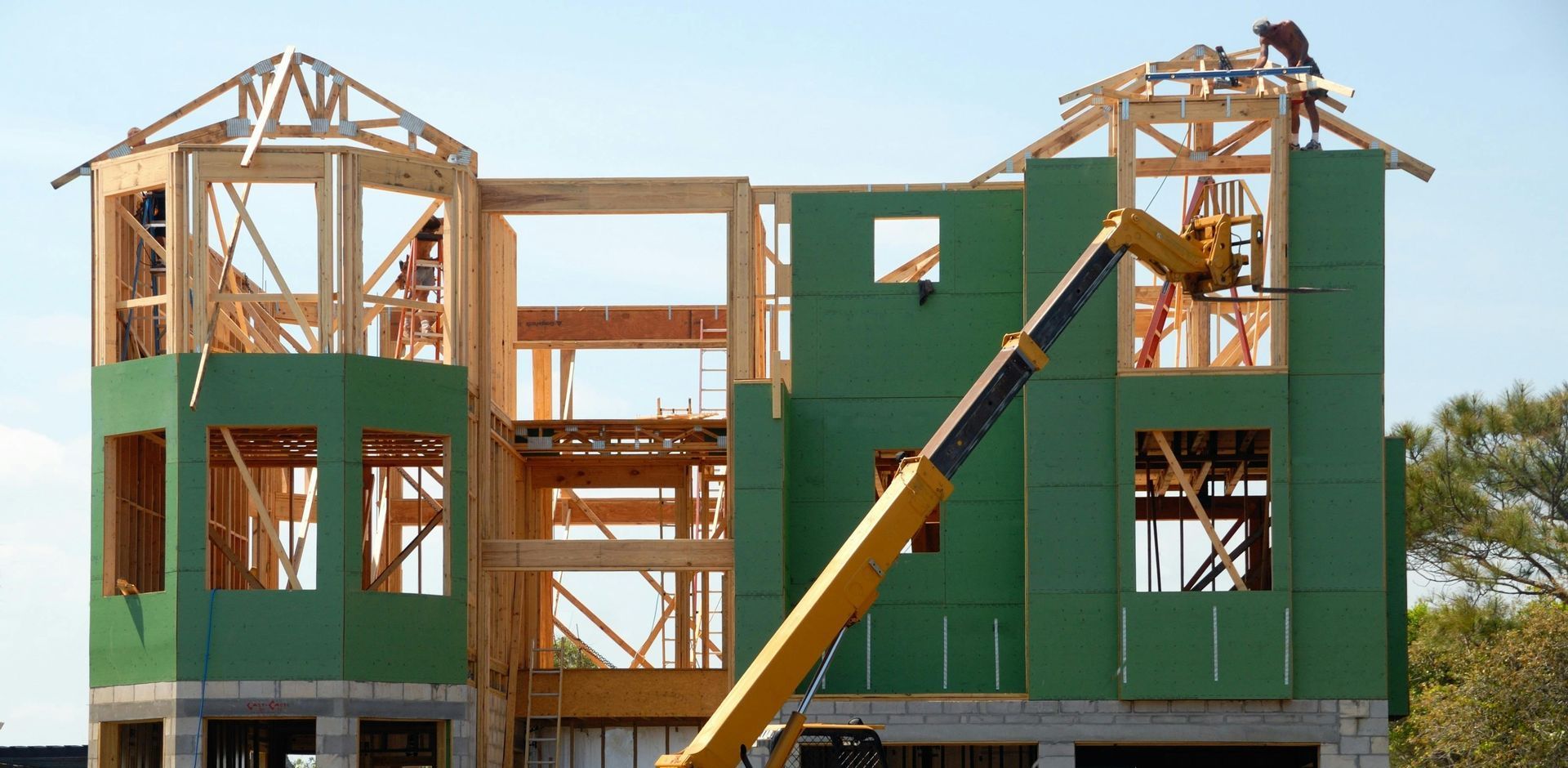
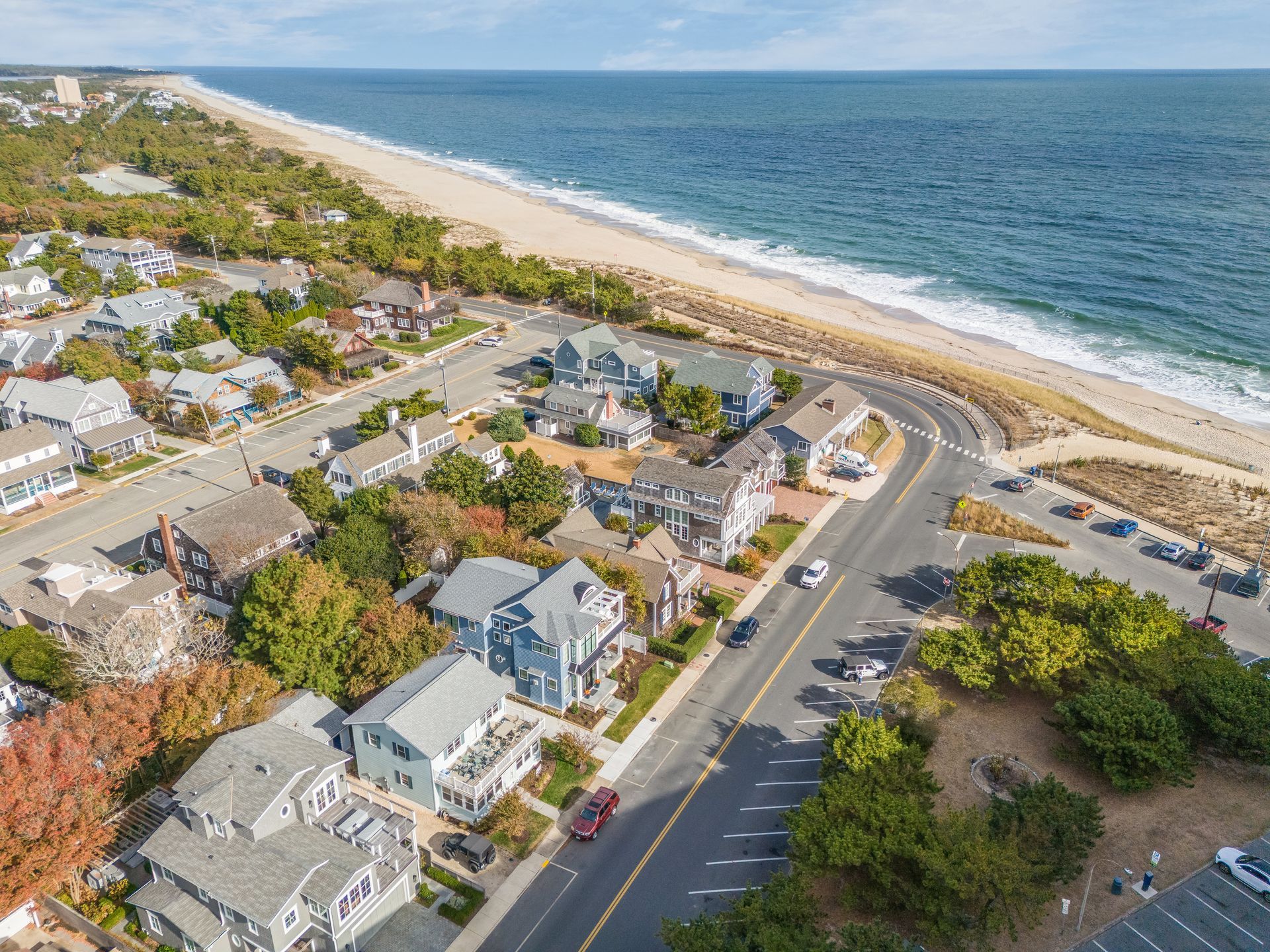
At Turnstone, located at the Delaware beaches where land values continue to soar, we encounter this decision frequently. If your cozy beach cottage is sitting on a multi-million-dollar parcel of land, you may be rethinking its future. And as grander homes sprout up around you, the choice becomes even more pressing. But before you call for the wrecking ball, there are compelling reasons to consider renovation.
We gathered insights from our team of seasoned professionals to highlight the key factors that should guide your decision. Remember, every situation is unique, and blanket advice won’t always apply.
Note: If your heart is set on preserving the history or character of your older home, this post may not be for you. A solid foundation and good bones are a renovator's dream, and we'd be thrilled to help bring your restoration to life.
Step One: Your Wish List
Start by dreaming big. What do you truly want in your home? Make a list of "wants," "needs," and "must-haves" without worrying about practicality just yet. This exercise will help clarify your priorities, and from there, Turnstone can provide a rough estimate for both renovating and building new. This way, you’ll know what financial ballpark you’re playing in. We can also help estimate the timeline for each option.
When Renovation Might Be Right for You
Thinking about preserving your home? Here are some factors to consider that favor renovation:
- Your home has a solid foundation and structure, saving you significant costs.
- The size of your existing footprint suits your needs.
- You prefer to upgrade in stages to manage costs or lifestyle disruptions.
- You’re on a tight schedule—renovations tend to be quicker.
- You don’t plan to drastically alter your home’s structure.
- Your home has non-conforming setbacks or lot coverage issues that would be restricted under new building codes.
- Less than half of the home requires renovation.
- You’re comfortable living through the renovation or have alternative accommodations.
- Structural elements like air quality, HVAC systems, or energy efficiency aren’t major concerns.
- The combined lot and rebuilding costs would far exceed the market value of your new home.
Of course, in some cases, the decision is more about practicality. If the cost of demolition is sky-high or lumber and steel prices are through the roof, renovation may be the more affordable choice.
When Building New is the Best Option
Sometimes, starting from scratch is the clear winning strategy. Here are a few reasons you might decide to build a brand-new home:
- You crave modern amenities like open floor plans, high ceilings, large closets, and energy efficiency.
- Your current foundation is nearing the end of its life or won’t support additional floors.
- Meeting new building codes for safety and efficiency would require extensive upgrades.
- You want a maintenance-free lifestyle for years to come.
- Aging-in-place features are important to you, and it’s easier to incorporate them in a new build.
- You’re passionate about maximizing energy efficiency.
- Newer homes often have lower insurance costs, especially near the coast.
- You want a floor plan that better suits your needs, or your current layout feels outdated.
- Hazardous materials like asbestos or lead paint are present in your home.
- Your lot is in a flood zone. For homes in flood zones that don’t meet current elevation requirements, FEMA might restrict how much you can spend on renovations without meeting strict new standards. If you’re concerned about sea level rise and want to elevate your home on pilings, building new is almost always the better option.
- The potential market value of a new home is much higher than a renovated one.
- Your existing floor plan is radically different from what you envision.
- You want to “build up” to capture views or gain more square footage.
- You need certainty in your budget—renovations can be unpredictable, with a higher likelihood of unexpected costs.
- Your mechanical systems are aging. Building new not only allows for a fresh start with modern designs and technologies, but it also lets you reset the clock on costly repairs and system replacements.
Other Key Considerations
Before diving into renovation or new construction, ask yourself these important questions:
- Can you live in your home while it's being renovated? Renovations can be noisy, dirty, and disruptive. Workers will be coming in and out constantly. Is that stress you’re willing to take on?
- Do you have an HOA that governs building regulations? It’s worth getting their input early on to understand what they allow in terms of renovations, demolition, and new construction.
- Are you considering converting a garage to living space? Talk to a realtor first - losing a garage can negatively impact your home’s resale value.
- Don’t forget about the finishing touches. A new or renovated home often cries out for new furniture, which can add significant costs to your project.
The Bottom Line
Most of our clients who own older homes on high-value lots ultimately choose to tear down and build new. While the teardown route means you’re committed to starting fresh, it also resets the clock on repairs and system replacements, giving you peace of mind for years. Plus, should you ever decide to sell, a modern home will likely fetch a higher market value.
At Turnstone, we’re here to help you navigate this important decision, whether you decide to renovate or build new. Let’s Build Together to bring your dream home to life—whatever shape that takes.