
What It Really Costs to Build a Custom Home in Coastal Delaware

Understanding the factors that shape the investment in a dream home near the beach
Published: April 7, 2026
Building a custom home in Coastal Delaware is exciting, but one of the first questions homeowners ask is also the hardest to answer with a single number: what does it really cost?
The honest answer is that custom home pricing depends on far more than square footage alone. In beach and bay communities across Sussex County, the final investment is shaped by the home’s size, design complexity, site conditions, finish level, and the specific construction requirements that come with building near the coast.
Companies like Turnstone Custom Homes specialize in helping homeowners navigate these variables with a design-build approach that aligns vision, budget, and construction from the very beginning.
Hear from a Homeowner:
Why “Cost Per Square Foot” Doesn’t Tell the Whole Story
For many homeowners, the biggest mistake is assuming that “cost per square foot” tells the whole story. It can be a helpful starting point, but it rarely captures the full picture. Two homes with the same square footage can have very different budgets depending on ceiling heights, window packages, outdoor living areas, structural engineering, custom millwork, and the complexity of the lot itself.
That said, homeowners still want a general sense of the numbers. Our experience has been that lot owners envisioning a truly custom home in Coastal Delaware should plan on spending between $350 and $700 per square foot, exclusive of land, design and engineering fees, and taxes and fees imposed by state, county, municipal, and HOA authorities. Of course, you can easily spend more if you really want to make a statement. A fairly typical home Turnstone recently completed in Rehoboth Beach came in around $385 per square foot. Given today’s input prices (which can change quickly) a good starting point for many projects is roughly $400 per square foot, with the final price depending on how elaborate the design becomes and the selections ultimately made.

A true custom home isn’t built from a preset menu of options. Instead, it is tailored to the homeowner’s lifestyle and vision, which means every project is unique.
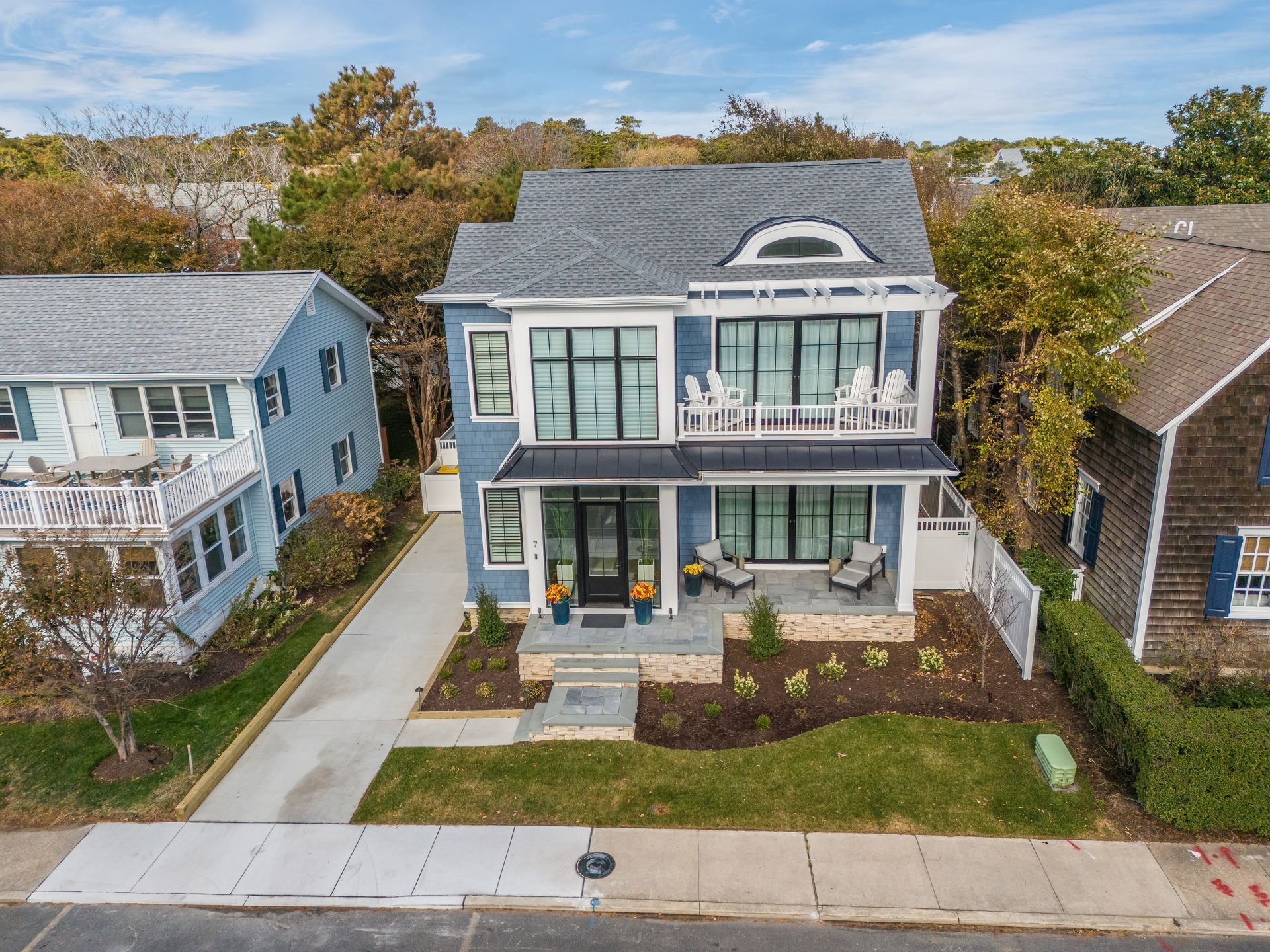
To see examples of how different design choices come together in real homes, explore the Showcase Galleries
Coastal Delaware Comes With Unique Building Requirements

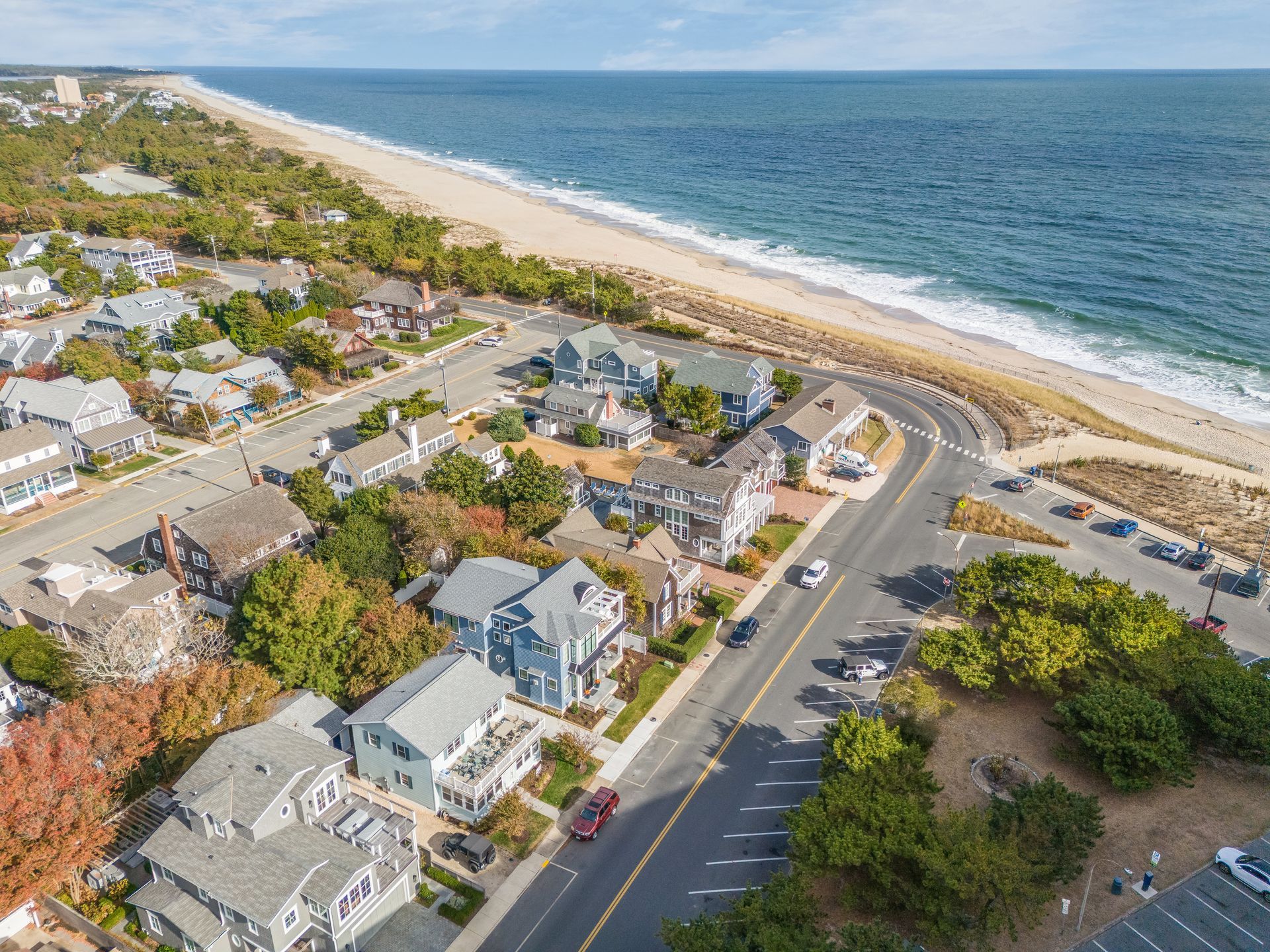
In Coastal Delaware, location matters in a very real way. A homesite in Lewes, Rehoboth Beach, Bethany Beach, Fenwick Island, or one of the inland bay communities may come with flood zone requirements, drainage considerations, setback limitations, HOA design guidelines, or added engineering demands. Those factors can directly affect foundation design, elevation strategy, permitting, and overall construction cost.
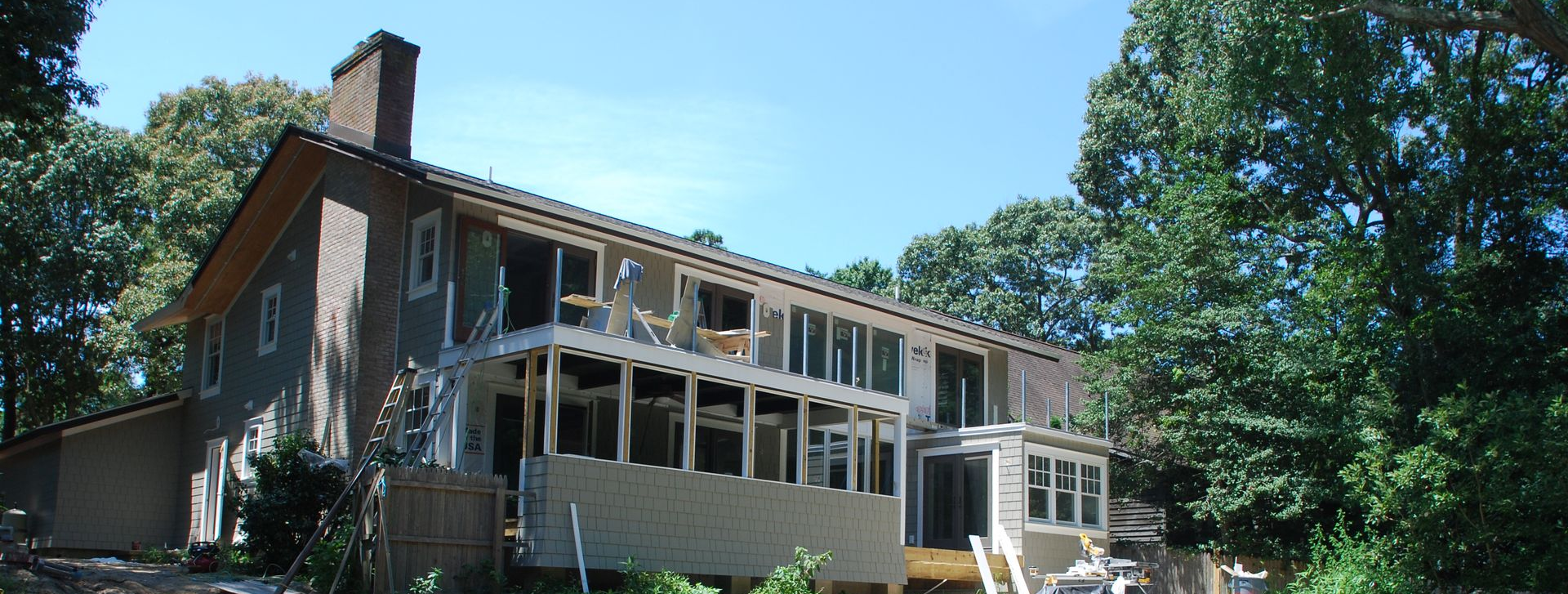
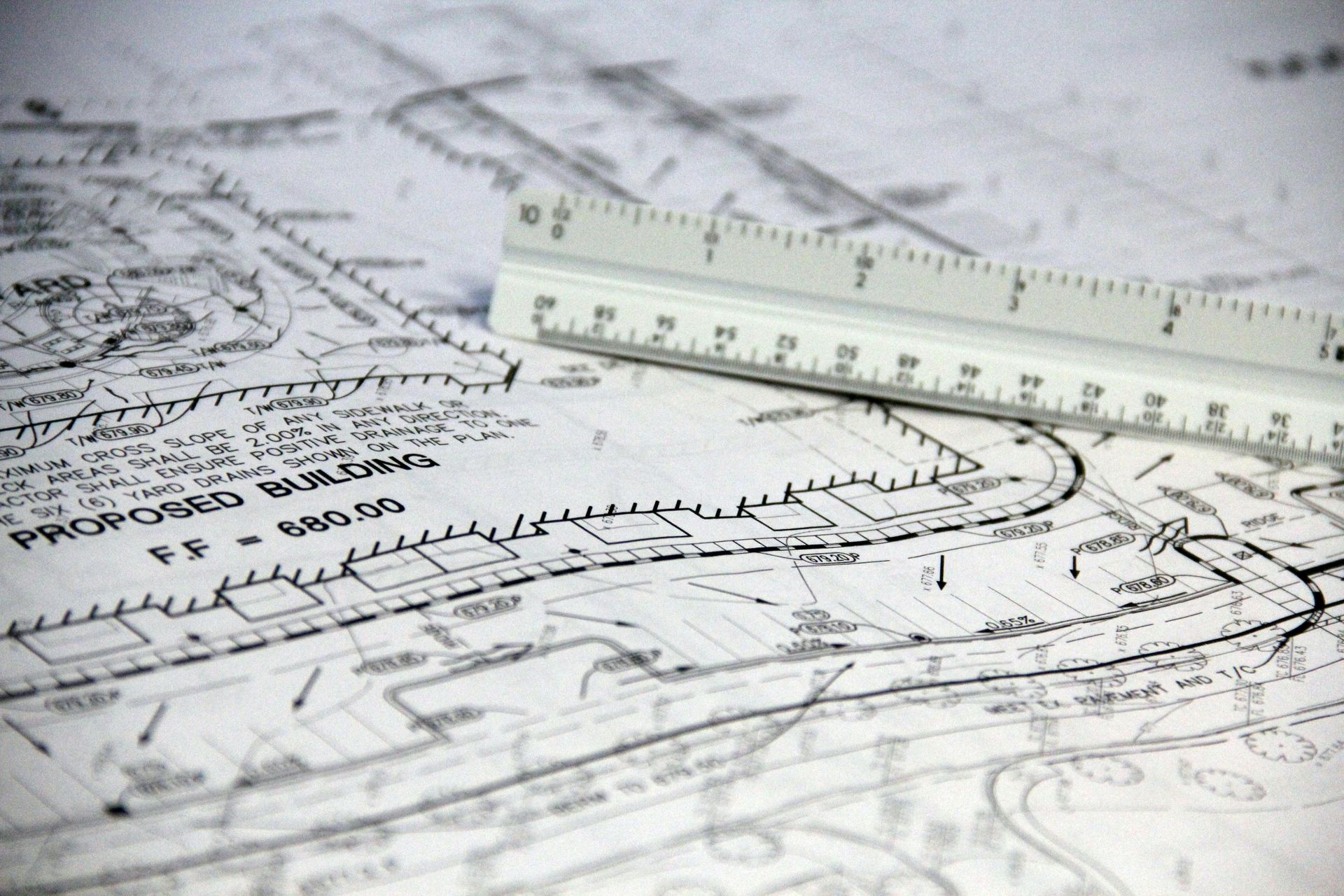
The site itself is often one of the biggest variables. A straightforward build on a clear, accessible lot is very different from building on a property with poor soils, tight access, mature trees, demolition needs, or flood-related constraints. Homeowners are sometimes surprised to learn how much site work, utility coordination, grading, and foundation preparation can influence the budget before the home even starts to take shape above ground.
Design Choices That Influence Cost
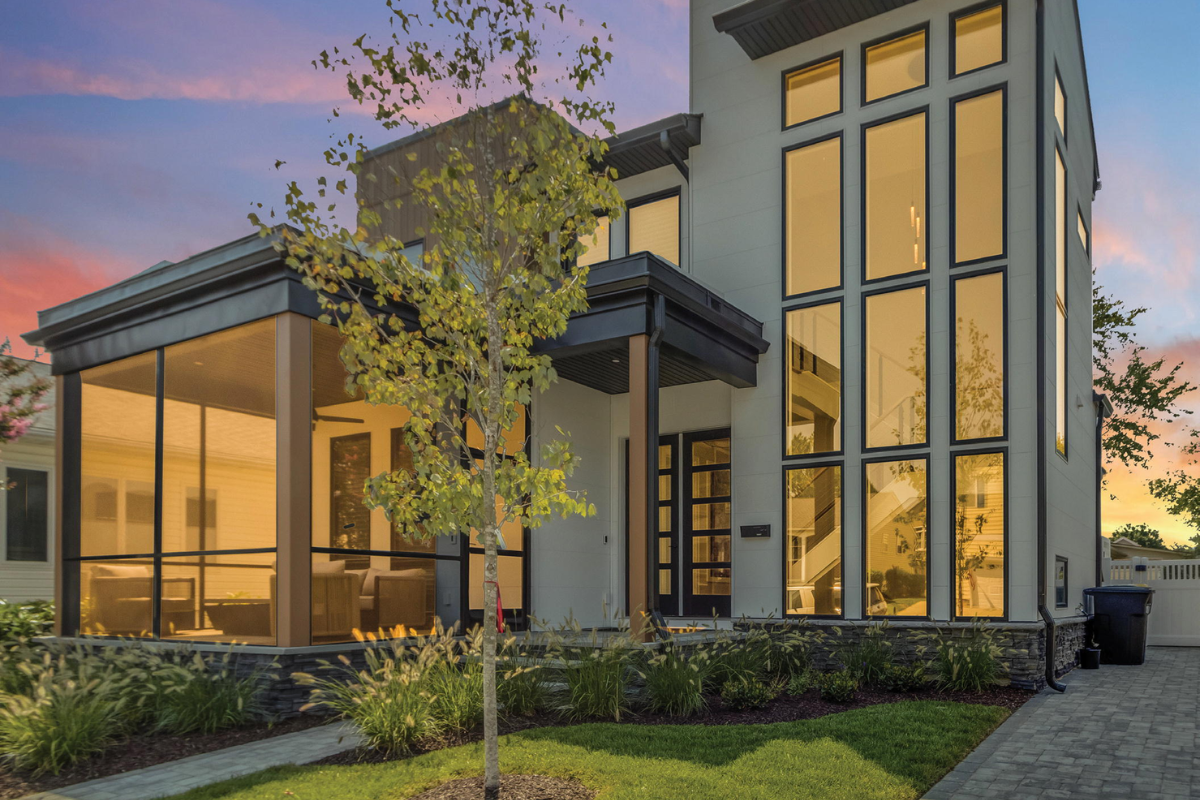
Design decisions also have a major impact. A true custom home is not priced like a production home with a short menu of standard options. Layout changes, larger spans, expansive glass, custom kitchens, detailed trim, luxury baths, specialty materials, and integrated indoor-outdoor spaces all add cost. So do the performance details that matter in a coast/al environment, including better moisture protection, more durable exterior materials, and assemblies designed to hold up well against humidity, wind, and salt air.
That coastal durability piece is important. In this region, homeowners are not just investing in how a home looks on move-in day. They are investing in how it performs over time. Materials and construction methods that make sense near the water may cost more upfront, but they often help reduce maintenance issues and premature wear later. https://www.tchde.com/renovations-and-remodeling
A Custom Home Is Ultimately a Collaboration

Another major cost factor is timing. Labor markets, material pricing, and product lead times can all influence the final number. Custom homes require careful coordination among design, estimating, engineering, permitting, and construction teams. When selections are made early and the scope is clearly defined, budgeting tends to be more accurate and the process tends to run more smoothly.
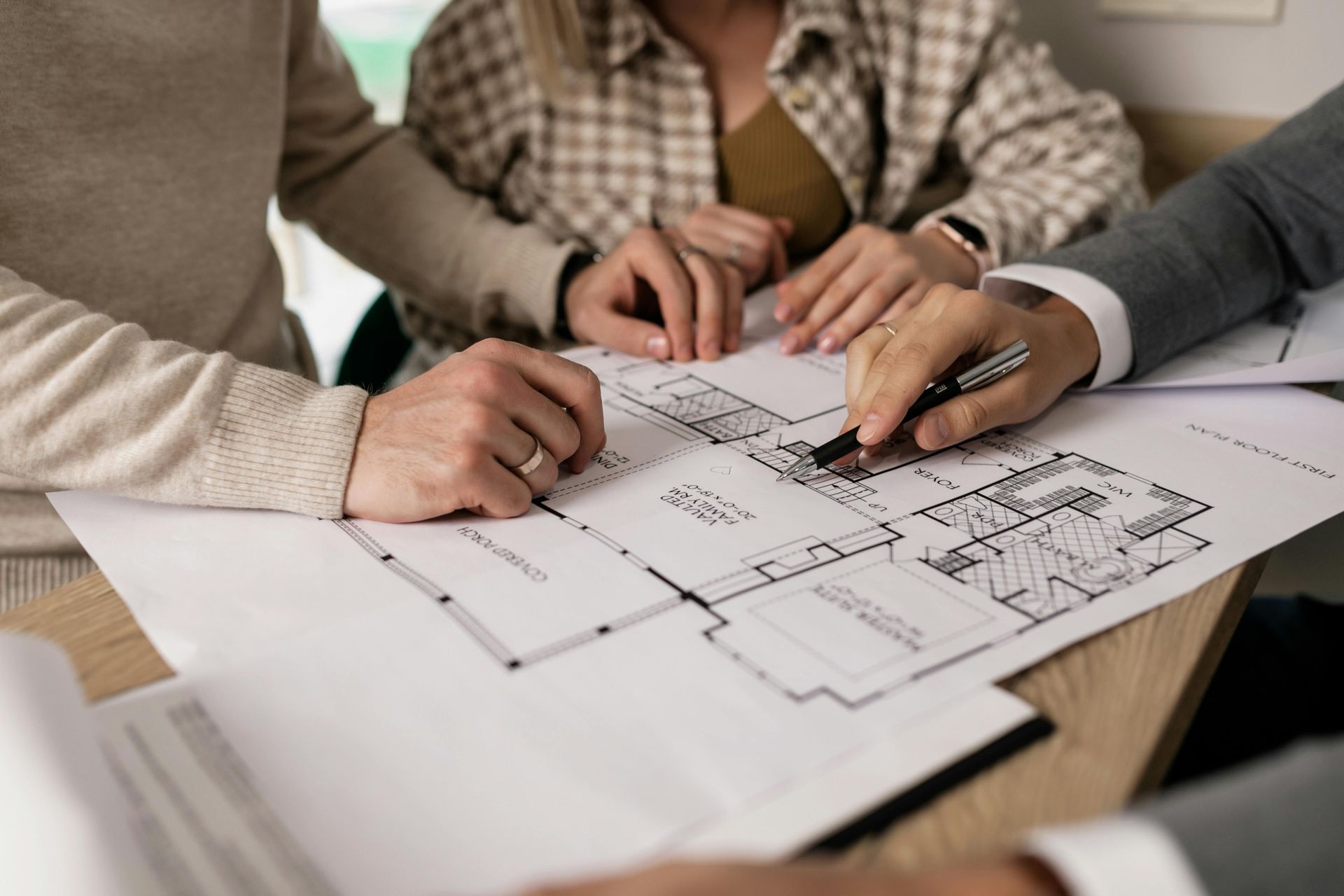
This is one reason many homeowners benefit from working with a design-build firm. When design, budgeting, and construction are managed together, the home can be shaped around real budget expectations from the beginning. That helps reduce the disconnect that sometimes happens when homeowners fall in love with a design before understanding what it will take to build it.
Start the Conversation
For homeowners planning a custom home in Coastal Delaware, the most useful early step is not chasing a generic online estimate. It is having a real feasibility conversation about the property, priorities, timeline, and level of finish. A thoughtful builder can help identify the factors that will drive cost, flag site-specific challenges, and bring clarity to what is realistic for the investment. Schedule Free Assessment
In the end, building a custom home here is about more than price alone. It is about aligning budget, design, location, and long-term performance. The right process gives homeowners a clearer understanding of where their money is going and why, so they can make confident decisions from the start.